








Varicocele Embolization is a safe, minimally invasive, non-surgical treatment for varicocele that helps relieve pain, improve sperm quality, and enhance male fertility. If you are looking for Varicocele Embolization Treatment in Delhi, India, this advanced procedure offers faster recovery, no surgical cuts, and excellent success rates.
At leading interventional radiology centers in Delhi, varicocele embolization is performed by experienced specialists using image-guided techniques for precise and effective results.
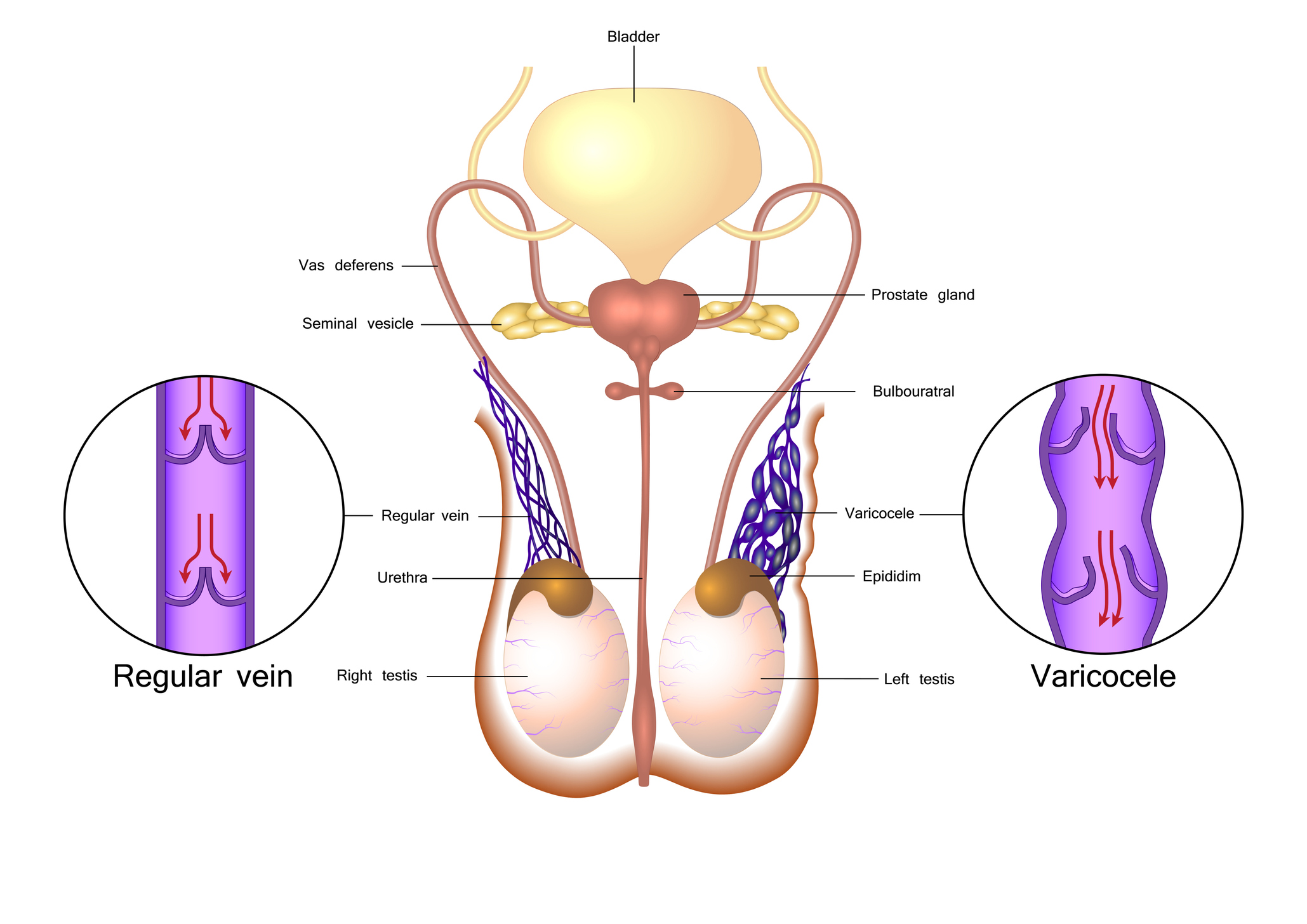
A varicocele is an abnormal enlargement of veins within the scrotum, similar to varicose veins in the legs. It commonly affects the left testicle and is a leading cause of male infertility.
Varicoceles can Reduce sperm count and quality, Cause scrotal pain or heaviness, Lead to testicular shrinkage, Affect testosterone production
Varicocele Embolization is a minimally invasive, image-guided procedure performed by an interventional radiologist to block the abnormal veins causing varicocele.
Instead of surgery, a tiny catheter is inserted through a vein in the groin or neck. Using live X-ray guidance, the problematic veins are sealed using coils or medical embolic agents, redirecting blood flow to healthy veins.
This makes Varicocele Embolization Treatment in Delhi a preferred alternative to open or laparoscopic surgery.
Local anesthesia is administered (no general anesthesia)
A small catheter is inserted into a vein
Real-time imaging guides the catheter to the affected veins
Embolization materials block abnormal blood flow
The catheter is removed, leaving no stitches or scars
Procedure Time: 30–60 minutes
Hospital Stay: Same-day discharge
You may be an ideal candidate for Varicocele Embolization in Delhi, India if you have:
Male infertility linked to varicocele
Scrotal pain or discomfort
Poor semen analysis results
Failed previous varicocele surgery
Bilateral varicocele
Desire for a non-surgical solution
https://interventionalradiologyindia.com/varicocele-treatment-in-delhi/
Non-surgical & minimally invasive
No cuts, stitches, or scars
Performed under local anesthesia
Faster recovery than surgery
Same-day discharge
Lower complication rate
High success rate (90–95%)
Effective for recurrent varicocele
| Feature | Embolization | Surgery |
|---|---|---|
| Invasiveness | Minimally invasive | Open / laparoscopic |
| Anesthesia | Local | General |
| Scarring | None | Yes |
| Recovery | 1–2 days | 1–2 weeks |
| Recurrence | Very low | Higher |
| Pain | Minimal | Moderate |


MBBS, DNB, FVIR, EBIR
Senior Consultant, Department of Interventional Radiology Secretary, ISVIR; President Elect, IRIA Delhi.
Dr. Ajit K Yadav is one of the Best Vascular Interventional Radiologist in Delhi, India. Working as a Senior Consultant and Vice - Chairperson at the Department of Interventional Radiology, Sir Gangaram Hospital, New Delhi. After receiving a medical degree at the Pt BDS PGIMS, Rohtak, he served as a medical officer at a rural government hospital for 6 months. He completed residency training in radiodiagnosis at Sir Gangaram Hospital. He was nationally board-certified in 2011 and went on to complete a fellowship in Interventional Radiology at GRIPMER, Delhi. In addition, he offers minimally invasive procedures for various diseases like Varicose veins, Liver diseases, and traumatic bleeding.
Get Whatsapp AppointmentA minimally invasive, image-guided alternative performed by an interventional radiologist. Instead of cutting the vein out, a catheter is threaded through a small access point (usually in the neck or groin) directly to the faulty vein, which is then sealed off from the inside using one of the following techniques:

Coil embolization :
Small metal coils are deployed inside the vein, causing it to clot and close permanently. This is the most widely used and best-studied technique, offering precise, controlled closure.
Sclerotherapy (sclerosing agent) :
A liquid or foam agent is injected into the vein to irritate the vessel wall and cause it to seal shut. Often used alongside coils for added durability.
Vascular plugs :
A single mechanical plug is used instead of multiple coils — useful in select anatomy where one large occlusion point is more effective than several smaller ones.
Combined technique :
Many interventional radiologists use a combination of coils and a sclerosing agent in the same session for a more durable seal and to reduce the chance of recurrence.
What to expect :
Local anesthesia with light sedation, no incision, a same-day outpatient visit, and a recovery period of one to two days.
Studies show that Varicocele Embolization Treatment can significantly:
Improve sperm count
Enhance sperm motility
Improve sperm morphology
Increase chances of natural conception
Improve IVF and ICSI outcomes
Semen parameters typically improve within 3–6 months after treatment.
Five steps, one visit. Here’s the order things happen in, from check-in to walking out. :
We confirm the diagnosis and map the vein anatomy with a duplex ultrasound.
A small needle opens a vein in the neck or groin — no cutting required.
A thin catheter is guided to the affected vein using live imaging.
Tiny coils or a sclerosing agent close off the faulty vein for good.
A pressure dressing goes on and you’re headed home within a couple of hours.
Our specialists use cutting-edge imaging technology and minimally invasive techniques to provide personalized thyroid care.


If you are experiencing infertility, scrotal pain, or have been diagnosed with varicocele, consult an expert for Varicocele Embolization Treatment in Delhi, India. Early treatment can improve fertility outcomes and quality of life.
The success rate of Varicocele Embolization Treatment in Delhi is around 90–95%, with excellent long-term outcomes.
No. The procedure is performed under local anesthesia and causes minimal discomfort.
The procedure typically takes 30 to 60 minutes.
For many patients, embolization is safer, less painful, and has a quicker recovery compared to surgery.
Yes. Varicocele embolization is highly effective for recurrent or failed surgical cases.
Most men resume desk work and light activity within 24–48 hours, and return to exercise or heavy lifting within about a week, once cleared by their doctor.
WhatsApp us